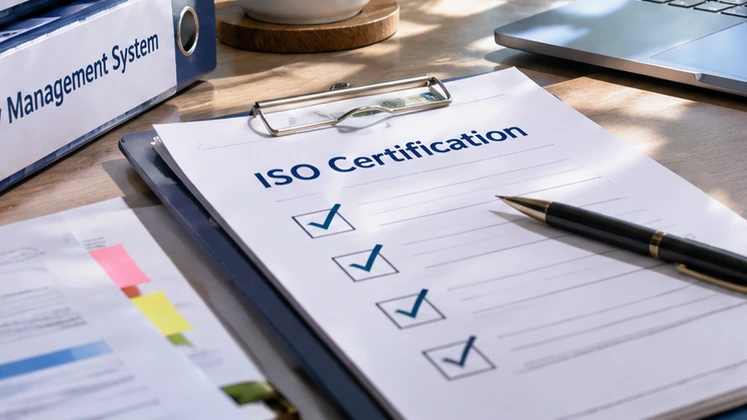

ISO 14001:2026 is an international standard for environmental management systems, announced by ISO on April 15, 2026 to replace the 2015 version. The standard guides organizations in establishing mechanisms to identify environmental aspects, control impacts, manage compliance obligations and improve environmental performance results. ISO 14001 certification does not replace environmental permits or legal obligations.
1. Who does ISO 14001 apply to?
The standard can be applied to manufacturing enterprises, service providers, research units, schools or agencies whose activities affect the environment. Large or small scale does not determine applicability; it is important that the organization determines the scope that is appropriate for its operations, products and services.
For example, a business may need to control its use of water, energy, raw materials, emissions, waste or chemicals. Environmental obligations depend on operations and specialized regulations.
2. Core requirements of the environmental management system
The organization needs to identify the context and stakeholders; Leadership establishes policies and goals; identify environmental aspects and compliance obligations; action planning for risks and opportunities; allocating human resources and capacity; operational control and emergency response; monitoring, measurement, internal assessment, leadership review and continuous improvement.
This is an evidence-based approach to governance. Documentation is only one part; It is necessary to demonstrate that the system actually operates and that environmental results are monitored.
3. What is new about ISO 14001:2026?
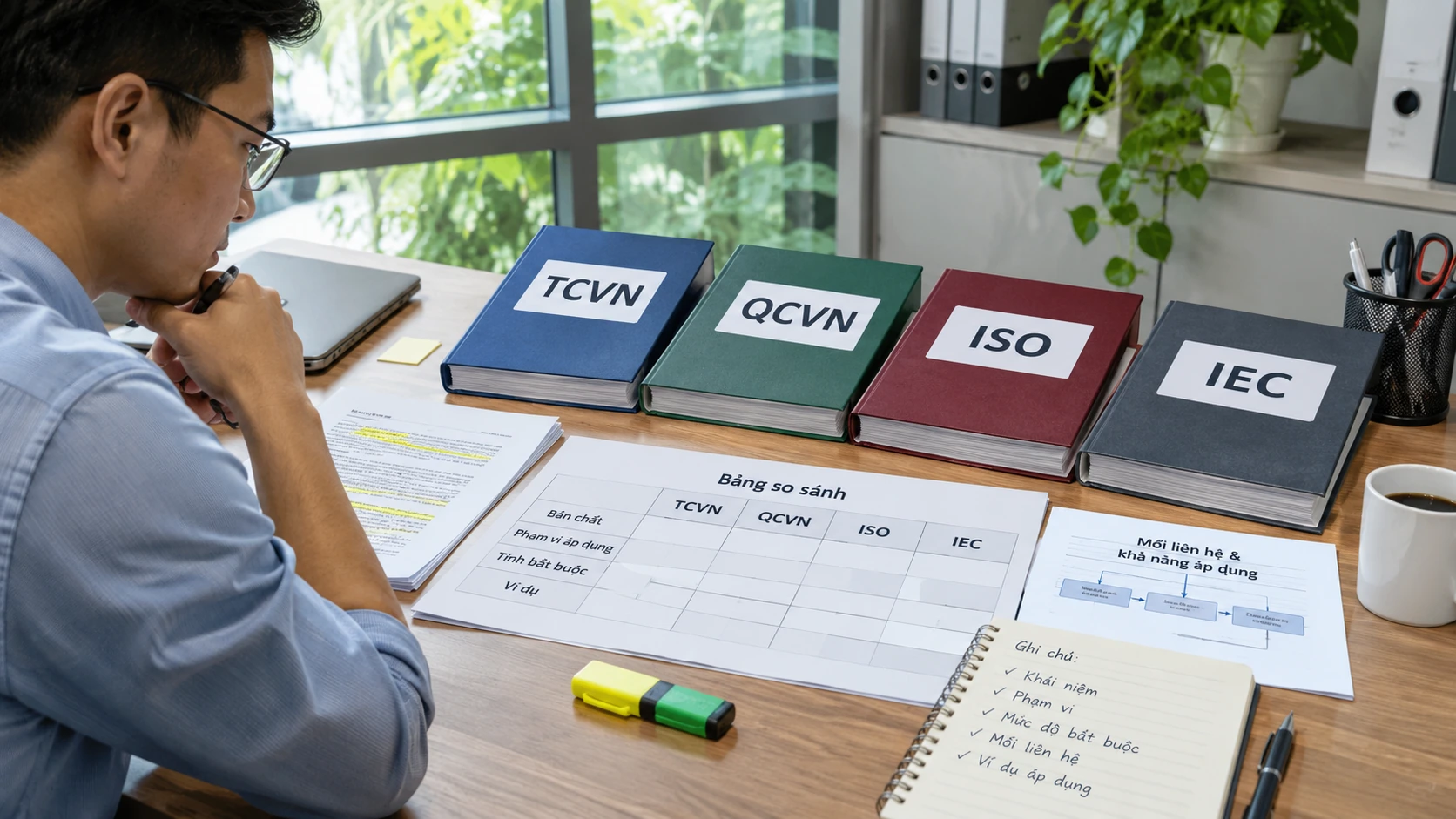
According to ISO, the 2026 version has a clearer structure, is easy to search, is consistent with current environmental priorities and is compatible with other management system standards. When planning a transition, businesses should purchase or legally access the full text of the standard, create a requirements comparison table, and identify which processes, records, or tracking methods need to be updated.
Do not copy detailed term sheets without an official source, or self-publish any changes to terms based on an old draft.
4. Implementation steps in the enterprise
Step 1: Survey the current status of operations and environmental obligations. Step 2: Determine scope, policies, goals and person in charge. Step 3: Identify aspects, impacts and control priorities. Step 4: Build processes, train and control operations. Step 5: Monitor results, internally evaluate and remediate. Step 6: If certification is needed, contact a certification organization with appropriate qualifications to agree on an assessment plan.
5. What do businesses with ISO 14001:2015 need to do?
Do not automatically conclude that all old certificates will lose their validity the day the 2026 version is announced. You need to contact the certification organization to check the conversion program, monitoring schedule, certification version and customer conditions. It is recommended to train the person in charge and save the distance assessment results before conversion.
6. Benefits and limitations
Environmental management systems can help businesses identify and reduce negative impacts, control waste, improve resource efficiency, reduce risks and increase trust with customers. However, having a certificate does not prove that the enterprise is completely non-polluting, nor does it exempt it from legal obligations.
For example, develop measurable environmental goals
A food processing facility that uses a lot of water and produces wastewater should not just have a general goal like 'protecting the environment'. The responsible department should identify activities with significant impacts, applicable obligations, measurement points and source data. Then set goals that are consistent with actual management capabilities, such as tracking the amount of water consumed per unit of product or the rate of properly classified waste.
With chemical use activities, control needs to be associated with storage, operation instructions, handling emergency situations and monitoring incidents. Environmental risk assessment must be based on the actual conditions of the facility; The entire catalog cannot be copied from another business.
When reviewing for conversion to ISO 14001:2026, priority should be given to comparing existing controls and evidence. Things that have been operating effectively can be continued to be used if they meet requirements, but if there is a shortage, a change plan needs to be made. The benefit lies in the managed environment results, not in the number of forms.
Conclude
ISO 14001:2026 is an environmental management framework that can be applied in many fields. The bottom line is that the organization must translate commitment into actual activities, metrics, and improvements.